Rebabbitting of White Metal Bearings | Babbitt Bearing Repair & Manufacturing
Professional Rebabbitting of White Metal Bearings for Marine & Industrial Applications
At RA Power Solutions, we have been carrying out rebabbitting of white metal bearings for marine engines, diesel generator (DG) sets, turbines, compressors, cement plant machinery, and other critical rotating equipment for decades. Having worked on bearing failures both during planned drydock periods and emergency breakdowns, we understand that a properly rebabbitted bearing is essential for restoring equipment reliability and minimizing downtime.
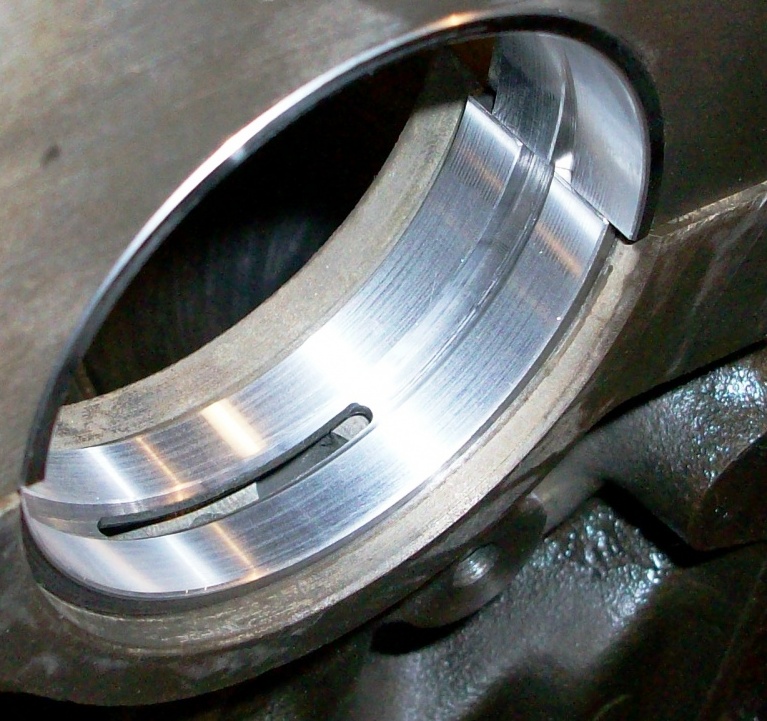
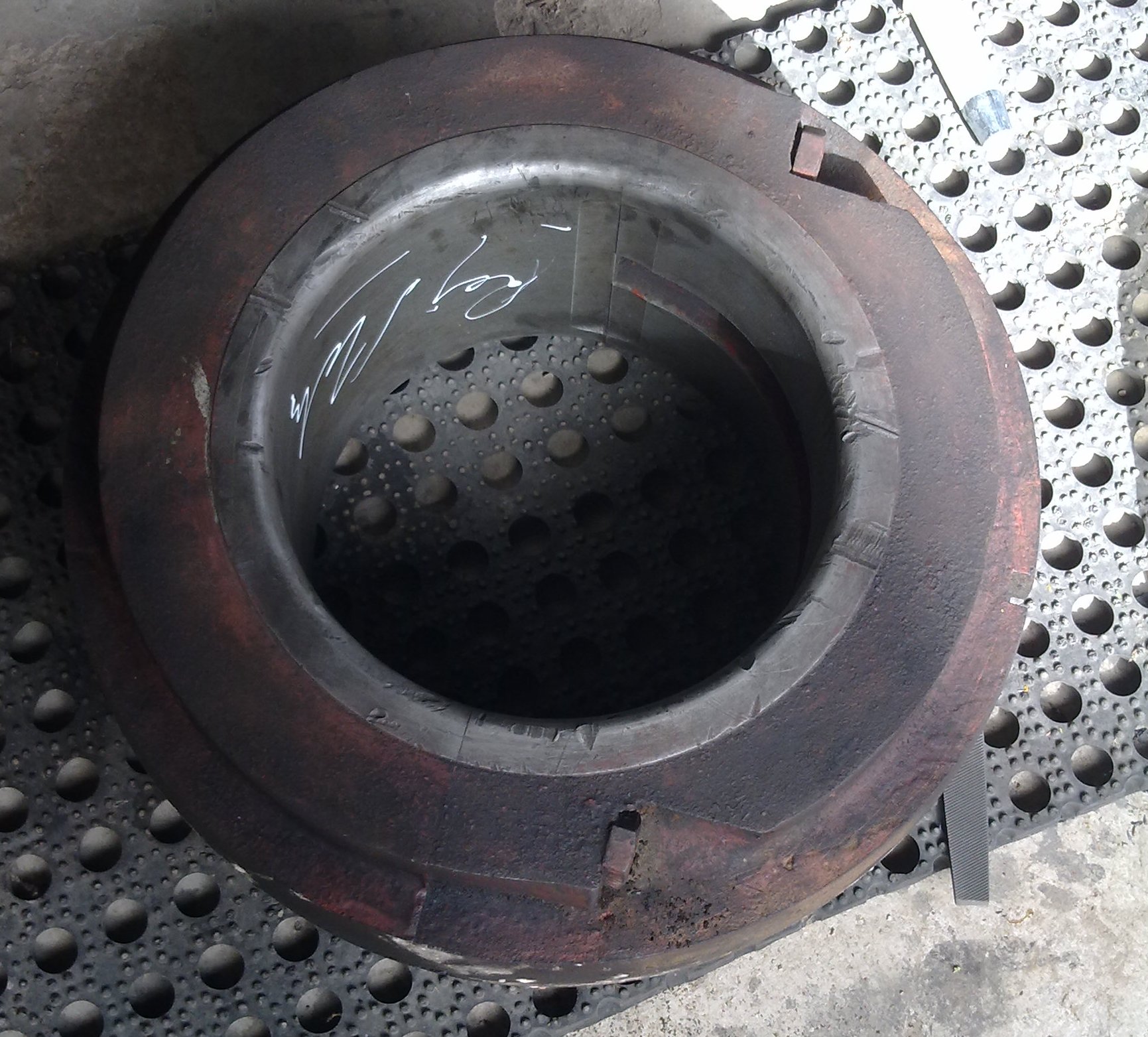
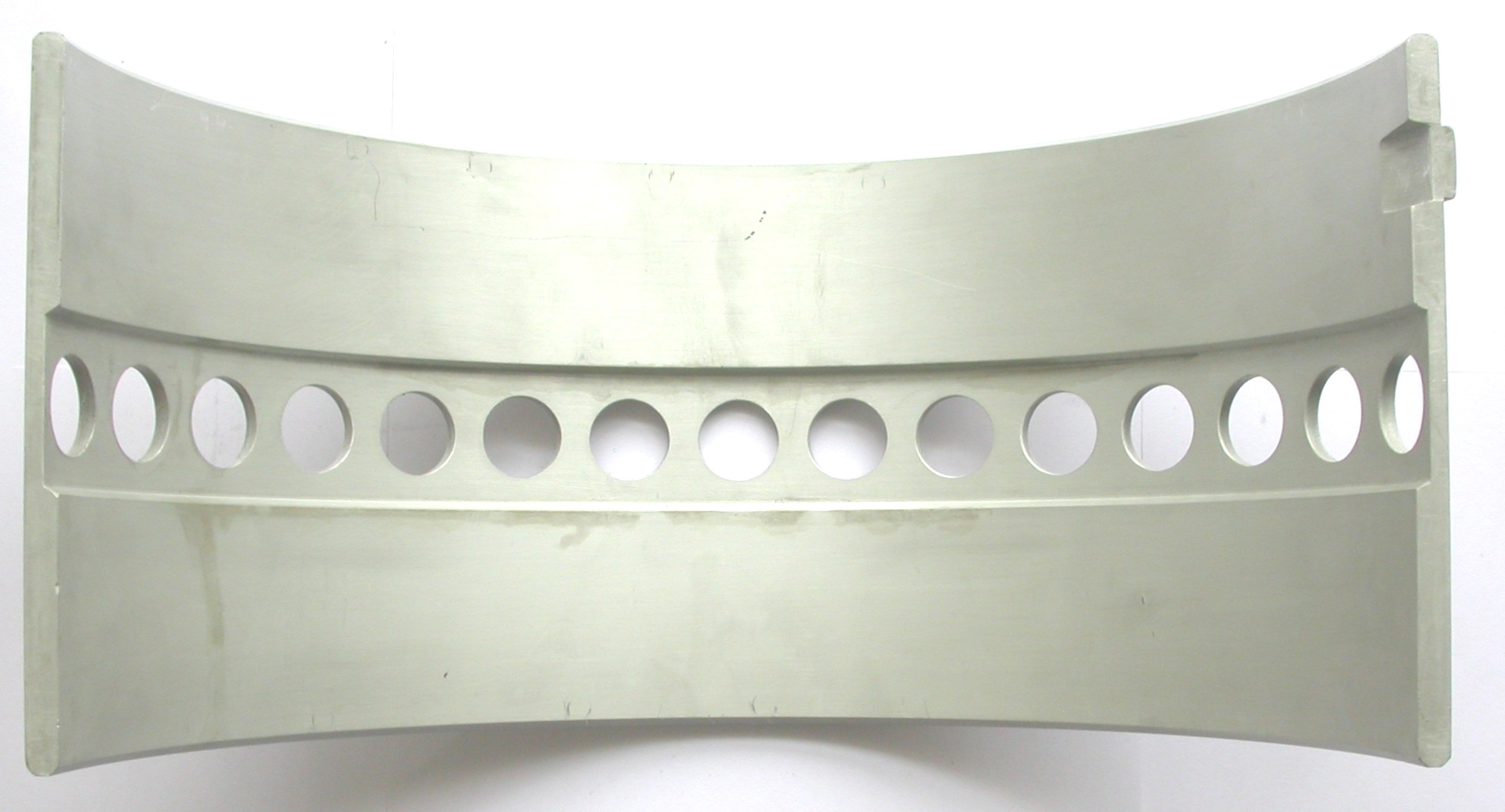
Our workshop undertakes the rebabbitting of white metal bearings, tri-metal bearings, and thrust pads using the centrifugal casting process. This method provides uniform distribution of Babbitt white metal and ensures consistent metallurgical bonding between the bearing shell and the lining when process parameters are maintained within specification.
Unlike general repair shops, we focus on maintaining OEM tolerances, proper bearing geometry, and bond integrity so the repaired bearing performs reliably under continuous operating conditions.
Why Rebabbitting is Preferred Over Bearing Replacement
Extending the Service Life of Critical Bearings
In my experience, many white metal bearings can be successfully restored without replacing the complete assembly, provided the steel or bronze shell remains structurally sound. Rebabbitting restores the working surface while retaining the original bearing housing, resulting in significant savings in cost and procurement time.
For marine applications, this is particularly important when replacement bearings have long delivery schedules or when repairs must be completed within a limited drydock window.
Properly executed rebabbitting restores the following:
Original bearing geometry
Load-carrying capacity
Hydrodynamic lubrication characteristics
Oil film stability
Bearing clearances as specified by the OEM
Our white metal bearing rebabbitting process
Detailed Inspection Before Rebabbitting
Every bearing received in our workshop undergoes a detailed inspection before work begins.
We inspect for:
White metal fatigue
Bond failure
Cracks
Scoring
Overheating
Bearing shell distortion
Ovality
Taper
Wear patterns
Alignment-related damage
This inspection allows us to determine whether the bearing is suitable for rebabbitting or requires additional corrective machining.
Centrifugal Babbitting Process
We carry out rebabbitting using thyristor-controlled centrifugal babbitting equipment that provides precise rotational speed throughout the casting cycle.
Maintaining the correct centrifugal speed is essential for producing the following:
Uniform white metal thickness
Dense grain structure
Proper metallurgical bonding
Minimal casting defects
Both the bearing shell and white metal are heated under controlled conditions using electrical furnaces before pouring. Proper preheating prevents thermal shock and promotes strong adhesion between the shell and the Babbitt alloy.
Regardless of the grade of white metal used, maintaining the correct pouring temperature and shell temperature remains critical for achieving reliable bonding.
Precision Machining After Rebabbitting
Maintaining OEM Tolerances
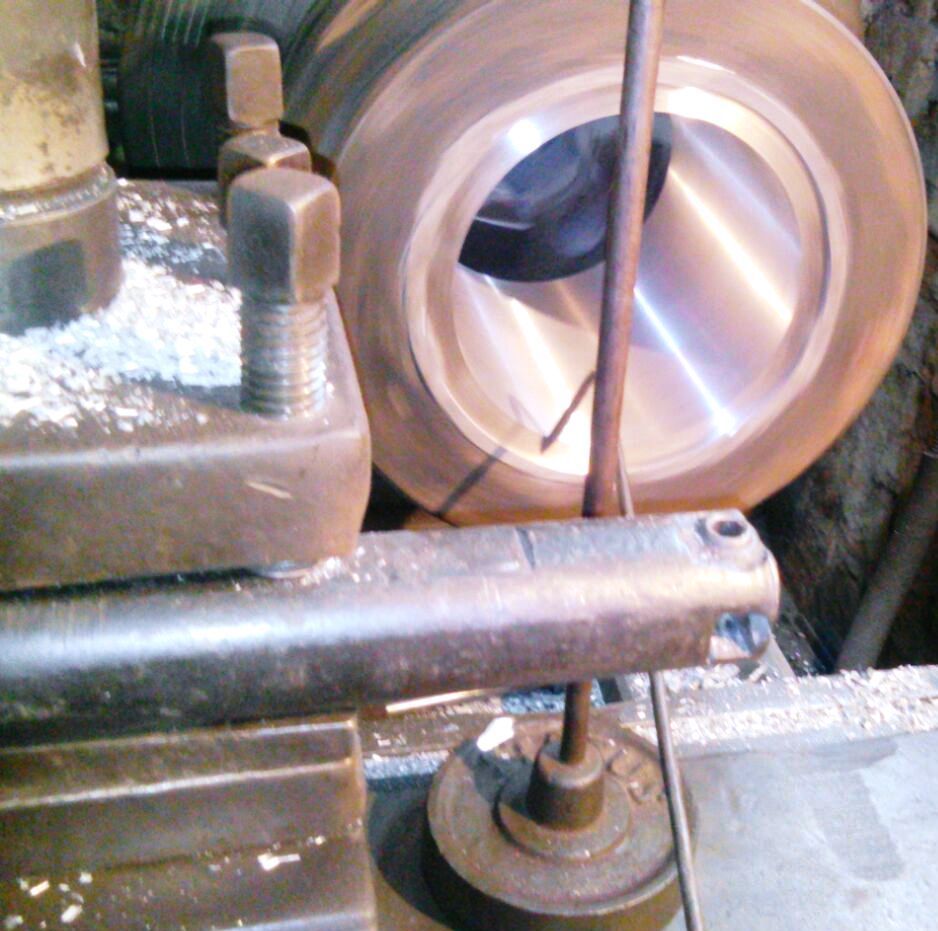
Once the white metal has been cast, the bearing is machined completely in-house.
Our machining facility maintains tolerances within 30 microns, allowing us to restore the bearing to OEM dimensional requirements.
During machining, particular attention is given to:
Bearing bore accuracy
Concentricity
Ovality
Taper
Running clearance
Ra surface finish
Fillet radius
Oil groove geometry
Where crankshaft journals have been reground, we machine the bearing to suit the required undersized bearing shells, ensuring the finished dimensions remain within OEM regrind limits.
Quality Inspection & Non-Destructive Testing
Verifying White Metal Bond Integrity
After machining, every bearing undergoes comprehensive inspection.
Our qualified engineers perform:
Dye Penetrant Testing (DPT)
Ultrasonic Testing (UT)
Dimensional inspection
Bond integrity verification
These inspections help identify:
Bond separation
Internal casting defects
Porosity
Surface discontinuities
For marine applications, inspection procedures can be carried out in accordance with owner requirements and, where applicable, the standards followed by DNV, ABS, and Lloyd's Register.
Used for precision centrifugal casting of white metal bearings and tri-metal bearings.
Large Vertical Boring Machine
Capacity up to 30 tons
Component diameter up to 4 meters
Suitable for machining large marine and industrial bearings.
Floor Boring Machine
Capable of machining components up to 13 meters in length.
Ideal for heavy rotating equipment used in marine propulsion, power generation, and industrial applications.
In-House Testing Facilities
Complete inspection facilities are available for white metal Babbitt bearings, including the following:
Ultrasonic Testing
Dye Penetrant Testing
Dimensional inspection
Bond integrity testing
Final quality verification
Marine Bearing Repair Experience
Repairing Bearings for Marine Engines & Auxiliary Equipment
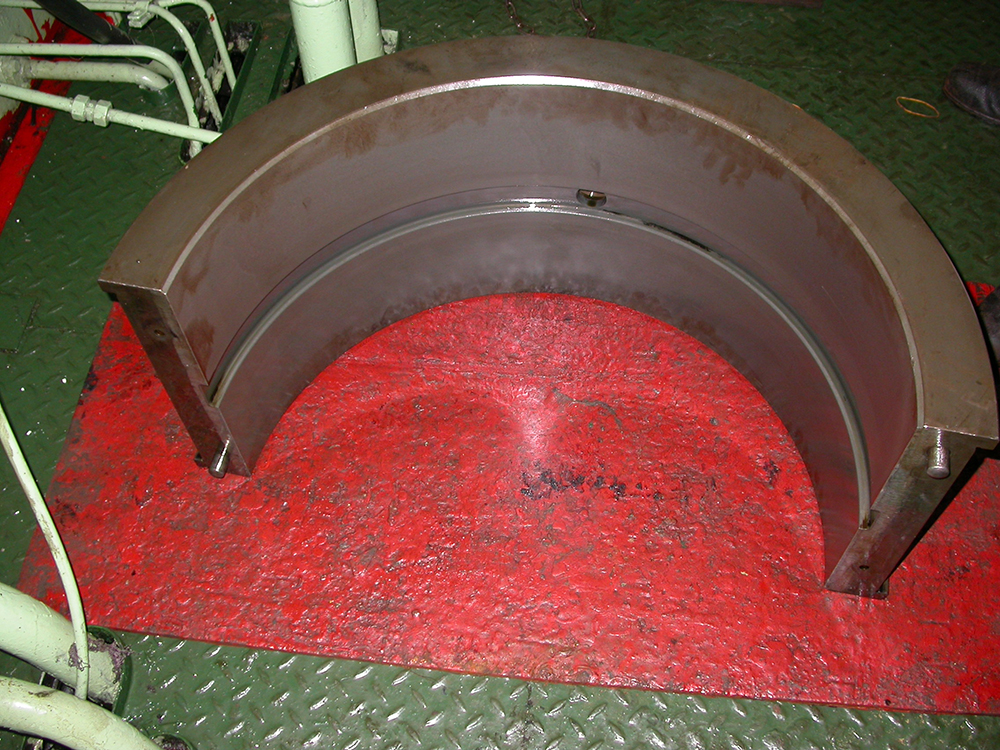
Over the years, we have repaired white metal bearings used in the following:
Main propulsion engines
Auxiliary engines
Alternators
Generator sets
Steam turbines
Gas turbines
Compressors
Pumps
Gearboxes
In many cases, repairs are carried out under tight vessel schedules where minimizing downtime is essential. Whether the work is performed during a scheduled drydock or an emergency shutdown, our focus remains on restoring the bearing to OEM tolerances so it can safely return to service.
Why Proper Rebabbitting Matters
A white metal bearing operates on a stable hydrodynamic oil film. Any deviation in bearing geometry, surface finish, bonding quality, or clearance can affect lubrication performance and reduce bearing life.
By controlling every stage—from inspection and centrifugal casting to precision machining and non-destructive testing—we ensure the rebabbitted bearing is ready for demanding marine and industrial operating conditions.